And, there is another email from one of my favorite art supply sources, informing me that it’s my last chance – this is it! – the sale ends SOON. Don’t miss out!
A cheerful newsflash: you’re gonna miss out. A lot. On almost everything. All the time. Me, too. And unlike my art supply source, life doesn’t cycle around the same offer over and over.
Therapists get to spend a lot of time on other people’s lives. We’re expected to be helpful, and that often means saying things people do not wish to hear.
I am grateful to be supervising two gifted therapists-in-training during their post-grad work, and recently in the monthly session when we meet all together, as opposed to their individual meetings, the subject of peacefulness in relationships, in homes, in lifestyle, came up in the context of our work.
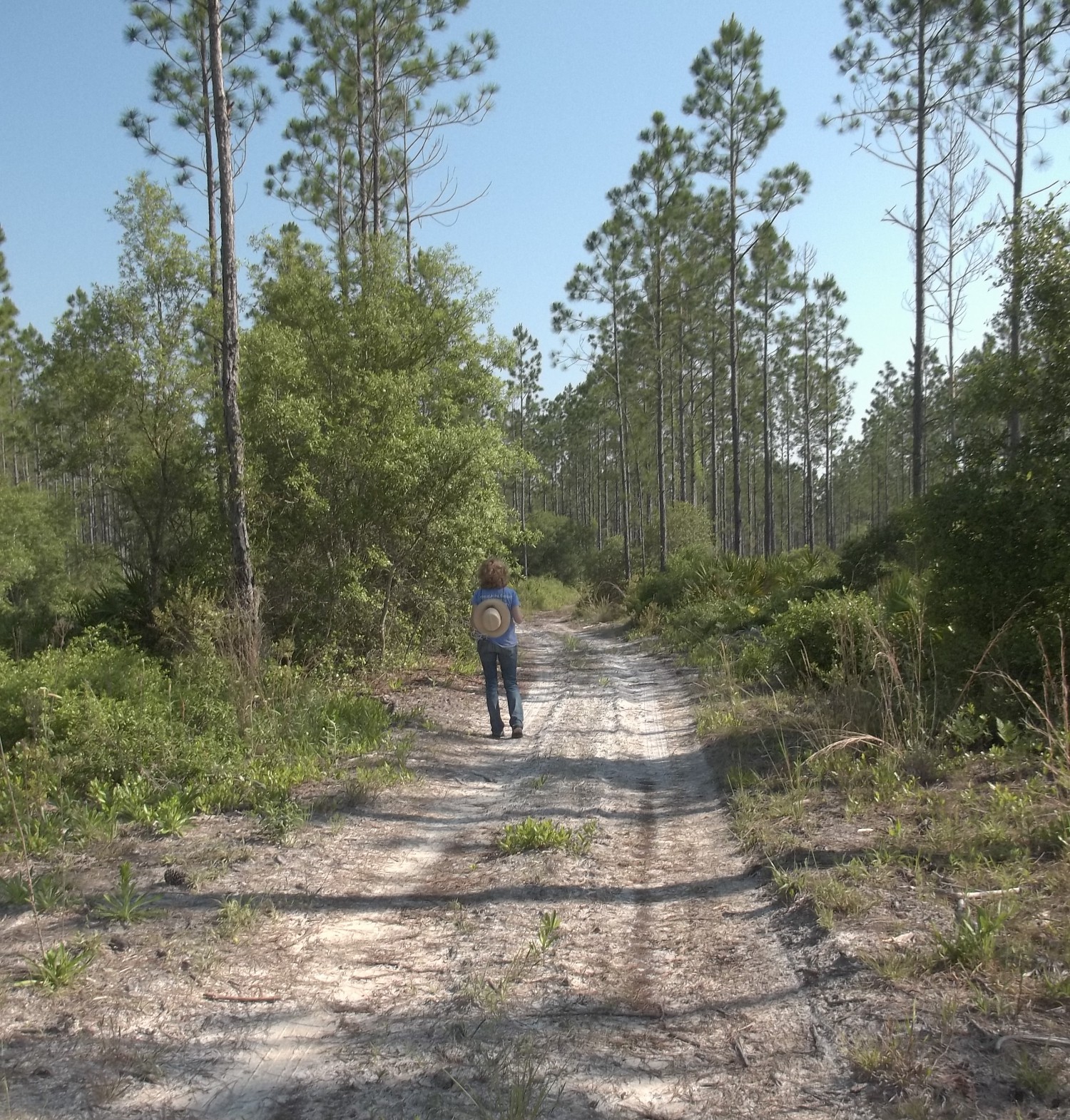
One thought I have, not often well-received, is that some people fear peace. I don’t mean “peace” as in no war. I mean personal peacefulness. This peace grows out of daily reflection, perhaps while doing chores or sipping your coffee or taking that daily walk or run. An interior peacefulness can develop. You find that you can let go of always being right, of having to assert your will in situations that really don’t concern you, and the peacefulness of accepting you cannot do, or have, it all.
I believe some people fear that a peaceful existence means missing out. They believe that choosing peace means sitting around passively.
A peaceful heart doesn’t preclude all sorts of exciting activities and situations. It does mean far less bickering, inane power struggles, resentment and bitterness. A peaceful person might love skydiving or white water rafting, but they won’t get into an argument about petty details like who gets to load versus empty the dishwasher.
If someone regularly allows time in silence, they enter reality: that life passes quickly. It is easy, even for a kind person, to rack up lots of regrets for words unspoken or help not offered. They strive to do better. They listen carefully to what old people say about what they do, and do not, regret. If we are lucky, we will get to be that old.
Supposedly, elderly people (and I am now one, or on the cusp) say they regret more of what was undone, rather than what was done. Some people interpret this to mean, do more stuff. But that’s not quite right; I suspect the meaning, for each of us, is quite personal and significant. It’s not a generic recommendation to just do more stuff, faster, and collect experiences. It means that there are things that ought to have been done and were left undone – particular things, things painful to regret. Too much work, not enough attention to loved ones, opportunities missed because of a focus on something superficial. Perhaps, daily quiet allows us to notice those things before chances slip ineluctably into the night. Some doors close, faster than we’d ever expect, and will not reopen.
Have such a seemingly large proportion of people always been so terrified of quiet and anxious about missing out? I don’t know. It probably was harder for our ancestors to avoid quiet. No earbuds to fill your head with other people’s thoughts while you’re planting or reaping, no devices to distract you with endless videos when unpleasant tasks await. No artificial sense of urgency because we will miss out. Our ancestors assumed one could not have/do/experience “it all.” Some might have gone mad trying, but healthier people strove to find meaning and purpose, and therefore happiness, in the normal facets of human life: loving relationships, meaningful pursuits and service to others.
I don’t take time for silence, but I’m listening to educational podcasts, someone argues with me. Yes, I do, too – many of my CEUs are long and complicated lecture series that I take in over many sessions on the stationary bicycle. It’s also important to have quiet, to have times when other people’s words are not crowding out my ability to think, to notice what’s been going on around me, how I think and feel about things, what meaning to derive and what action to take.
Because when it comes to the big things, the few beautiful things I discern belong in the narrow slice of life I am allotted, I have a tremendous fear of missing out.

