That’s Smart!

Ah, a new school year, and just past the middle of the year, when New Year’s resolutions can seem long ago and mildly embarrassing, like an old yearbook picture.  It’s a time when we talk to young people about their goals.

A former professor advised us, never take your professional knowledge for granted. When you know something long enough, it might start seeming “obvious,” although it is not. We adults can take for granted the training we received in establishing a goal and then reverse-engineering to the first step, second step, etc.  We’ve known it so long, we forgot. We forgot we ever had to learn it. We take it for granted, like knowing how to sort the laundry or check the air in our tires. You set goals and strategize backwards all the time. Imagine it’s going to be your turn to host Thanksgiving. Without calling it “goal setting,” you have probably already figured out what needs to be done, and approximately when, as well as what you will do about that one family member who never brings what they promised in the family chat. You probably don’t think of planning Thanksgiving dinner in terms of “SMART” goals (specific, measurable, achievable, relevant and time-constrained) or in terms of identifying possible roadblocks and necessary alternative plans. You probably don’t think about it as “goal setting” either, when you decide you’ll clean up the yard next weekend and gather necessary materials such as big plastic bags, so you’re ready to go.

Children, however, have to learn this set of skills. They need coaching. That coaching is not “criticism” but is instead helping them develop the mental skill of breaking down goals into steps to be taken. Sometimes, people think questioning the “how” is criticizing the goal. Developing the “how” is essential to reaching a goal.

If someone working with me says, ‘I want to be able to join friends in walking the New Year’s Day 5K event,’ as a goal they would like to reach, I will be full of questions that are meant to help them. For example, what is their walking routine now? What medical guidance have they had, if any, on how to increase their fitness? How much time do they think they can give to improving their walking distance and stamina? Do they tend to be more consistent when other people are part of the plan, or do they prefer to fly solo? When roadblocks occur (weather, travel, or illness, for example), what tends to help them get back on track? These questions are not critiques, they’re vital information if someone is going to develop a plan that is appropriate that brings them, step by healthy step, towards a goal.

If you have young people in your life, be encouraging and supportive, and help them learn to ask themselves the questions you have about the roadmap to their goals.

Random Life Lessons

Here, on a beautiful autumn day, are a few life lessons I’ve picked up on the way…perhaps one will be useful to you.

Walking in the morning, before sunrise, can lead to being stopped by law enforcement, who, upon getting a look at me from the front (wrinkles and rosary beads) say things like, “Oh. I thought you were a kid out breaking into cars.”  Wearing a reflective vest and a skort, instead of baggy gym shorts, has solved that problem. Either that or I have succeeded in looking old from behind. The lessons: be reflective and dress appropriately to the task at hand.

Don’t save special stuff for special occasions.  Eventually someone else will just throw your treasure away or it will end up, sad and dusty, on a thrift store shelf. Use it up, whether it’s that fancy cocoa mix someone gave you at Christmas or your grandmother’s crystal. Drink sweet tea out of a fancy goblet.

Not from personal experience (see a prior post about this issue) If you change your hairstyle and/or color on a regular basis, you might not be the best candidate for a tattoo. The same goes if you try to destroy or at least hide any photos of you from five or more years ago because you can’t believe you left the house looking like that.

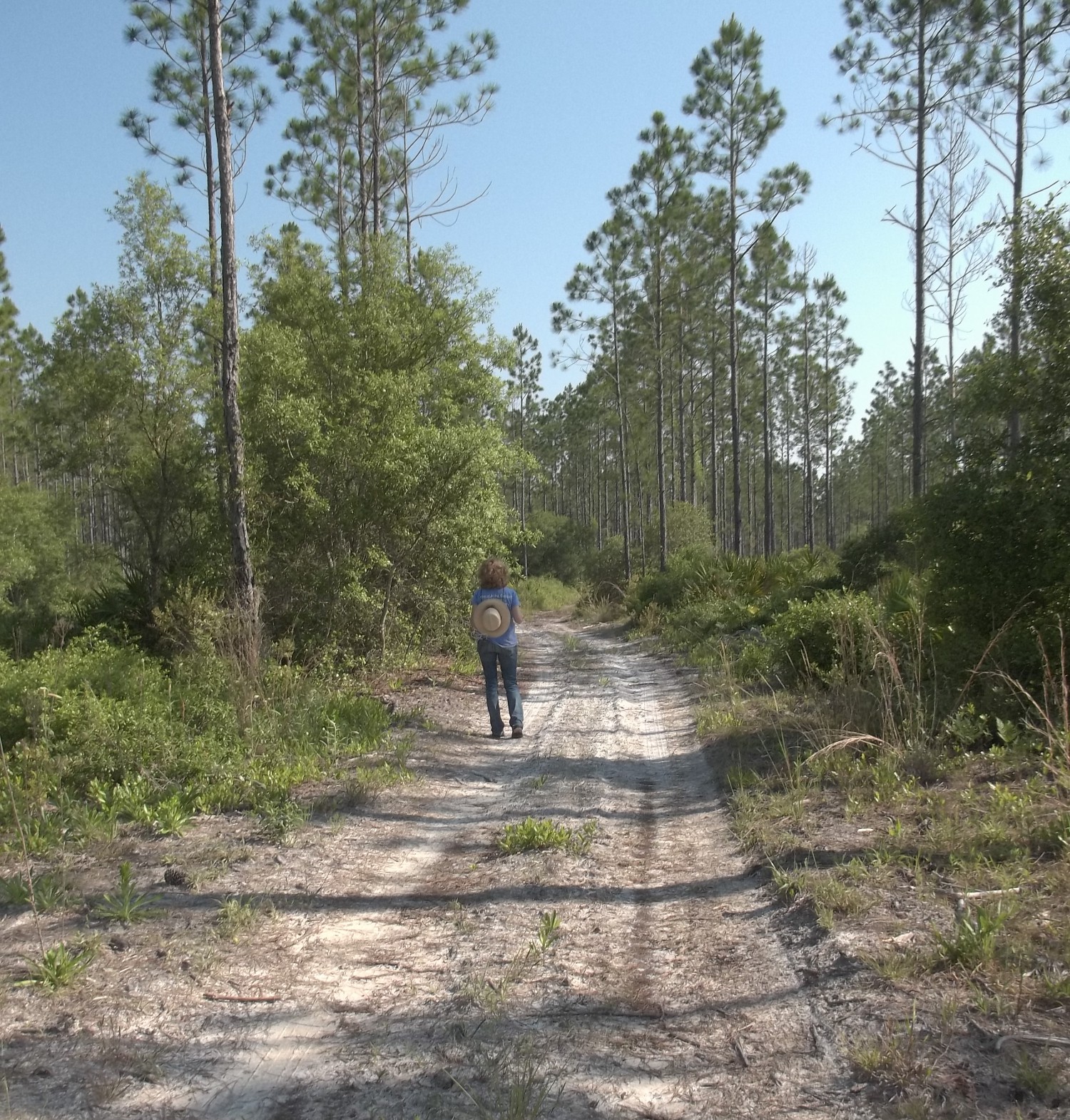
If there is something you really want to do, and it’s realistic for you, then pick a reasonable time frame (say, one year) and reverse engineer backwards all the way to tomorrow. If you want to achieve “X” – your G.E.D., your master’s degree, a marathon, writing your first book – there will be something specific that you do and/or don’t do tomorrow that is different than yesterday. Then the next day, you will, again, do/not do something different because you have this goal. If it’s your G.E.D., and you want to pass by one year from now, then the first thing to do is look up where to go for information. Then call the place. Then go. Then decide what you will give up to make time to study. Then do that: give up some of that time to study. Learn how to study (a lot of people get to college without knowing how to study; no shaming). And study again and again. Enlist people who will encourage you because it will be hard and discouraging and there will be people who try to pull you off course.

Don’t spend time around people who discourage you when you are trying to become a better person. If you have thought things through, and realized you must change some habit or adopt a new plan for life, and wise people agree it is a good move, then be very skeptical about the motivation of people who try to interfere.

Unless you have doctor’s orders to the contrary, odds are that alcohol is not your friend. Remember when Pinot told you what a great dancer you were at your cousin’s wedding?  Or how some kind of brown liquor helped you straighten out that miscommunication with your in-laws? Yeah, not your friend. Besides, alcohol is eager to share bad things: disrupted sleep, increased risk of cancer (it’s a major factor in a number of types of cancer), dementia, prematurely aging skin and who knows what else. Disclaimer: I don’t drink and I’m not in recovery, which means this one comes from 1) observing life and 2) reading the medical research.

Be wary of people who think it is funny to scare animals. A guest who tries to frighten your cat because it’s “funny” when the cat’s fur stands on end needs to go away and not visit again. This is a red flag, no matter how “nice” you thought this person was. They exert power by terrifying others; is that nice? No. If a five-year-old could easily explain it, I shouldn’t have to say another word.

The above does not include the person who is willing to make an absolute ass of themselves trying to scare a squirrel, bunny, rat, lizard, etc., out from under their parked car so they can leave without killing it. 

Try, if you can, to be patient with people who act as if they didn’t need to let you know about something they wanted you to know about because they put it on social media. Give yourself permission to explain that you don’t spend time looking for something you ought to know on social media. Unless you do, in which case you have bigger problems, perhaps, than missing one person’s newscast.

And, in closing, bear in mind that one person’s life lesson is not necessarily yours…but then again, maybe it could be.